If you own property in the Greater Toronto Area, you already know how quickly outdoor maintenance turns into a second job. Between snow, freeze-thaw cycles, wet springs, hot summers, tree debris, and the occasional neighbourly debate about lot lines, a fence can either make life easier or quietly drain your weekends for years. That is why low maintenance fence choices matter more here than they do in milder climates.
A lot of owners start by asking a fence contractor for the cheapest option. Fair enough. Budget matters. But after enough service calls, repairs, and fence replacement projects, one pattern keeps showing up: the fence that looked affordable on installation day is not always the one that costs the least over ten or fifteen years. In the GTA, the better question is often this: which fence style will still look good, stay straight, and require the least attention after several winters?
That answer depends on the property, the purpose, and the material. A backyard privacy fence installation in Mississauga has different priorities than a perimeter fence installation around a commercial lot in Vaughan, or a pool enclosure in Oakville where code compliance matters as much as appearance. The right choice also depends on drainage, wind exposure, sun, pets, children, gate usage, and whether you are building on a shared property line fence under Ontario fence laws.
The good news is that there are several strong options for busy owners who want clean lines and solid performance without yearly sanding, staining, or constant repairs.
What "low maintenance" really means in Ontario
Low maintenance does not mean no maintenance. Every fence in Ontario needs some level of care. Gates need adjustment. Hinges loosen. Posts can shift if the ground was not prepared properly. Dirt builds up. Snow gets piled against panels. Even the best fence installation company cannot eliminate weather.
What low maintenance does mean is that the fence should resist the most common GTA headaches without demanding much from the owner. Those headaches usually include rot, rust, fading, warping, fastener failure, leaning posts, and gate sag. A durable fencing Ontario project is really about reducing those risks at the design and material stage, before the first post hole is dug.
This is where experienced fence installers earn their keep. Material alone does not decide performance. Post depth, fence line planning, drainage, hardware quality, spacing, and gate framing all matter. I have seen premium fence panels fail early because the fence posts were undersized or the soil conditions were ignored. I have also seen simple chain-link systems outlast more expensive fences because the layout and footings were done right.
Vinyl fencing, the usual front-runner for busy households
When clients ask a local fence company for the lowest upkeep option for a suburban home, vinyl almost always enters the conversation first. There is a reason. A properly installed vinyl fence does not need painting or staining, and it handles moisture far better than wood. For homeowners juggling work, family, and travel, that is a major advantage.
Vinyl works especially well for privacy fence installation. Full-height panels create a clean, enclosed yard, and the surface is easy to wash with a hose or light soap solution. In newer subdivisions across Brampton, Markham, and Whitby, it is a common pick because it suits modern homes and keeps maintenance demands light.
That said, vinyl is not magic. It has strengths and limits. Cheaper products can become brittle in cold weather, and poorly supported long runs can flex in wind. Darker colours may show heat movement more than lighter shades. Gates need solid reinforcement, because a gate gets far more stress than a fixed section of fence. If a vinyl fence installer cuts corners on internal support or hardware, the owner will feel it every time the latch drags.
For most residential fence contractor projects, vinyl is strongest when the owner wants privacy, consistent appearance, and minimal yearly care. It is less ideal if the goal is a natural wood look or if the site has extreme wind exposure and wide panel spans without proper engineering.
Ornamental metal, a strong fit for front yards and premium properties
For owners who want elegance with relatively little upkeep, ornamental metal fence systems deserve serious consideration. This category usually includes aluminum and certain steel products, though aluminum is often the low maintenance favourite because it resists rust far better in typical residential conditions.
An ornamental metal fence suits front yards, side yards, pool areas, and higher-end perimeter designs. In Richmond Hill, Vaughan, and parts of Burlington, it is a common choice where homeowners want curb appeal without committing to wood maintenance. The lines stay crisp, visibility remains open, and the finish generally lasts well if the coating quality is good.
There is also a practical side to it. Snow does less damage to open-style metal fencing than to solid panel systems because wind can pass through. That matters in exposed corners or large suburban lots. For pool enclosure contractor work, ornamental metal is often attractive because it satisfies safety needs without visually shrinking the yard.
The trade-off is privacy. This is not the fence style for someone trying to screen out a busy laneway or close off a deck from view. It is also not always the cheapest fence installation cost upfront. Still, when owners are balancing lifespan, appearance, and low upkeep, ornamental metal often holds value well.
Chain-link, still one of the smartest practical choices
Chain-link has a reputation problem. Some homeowners hear it and picture only utility yards or school properties. But when low maintenance is the priority, chain-link deserves more respect than it gets.
A galvanized or vinyl-coated chain-link system is one of the simplest and most durable options available. It does not rot, it does not require paint, and it performs well in wet conditions. For a chain-link Go here fence installer working on a large lot, dog run, side-yard boundary, or light commercial site, it is often the most economical answer both in fence cost per foot and in long-term upkeep.
Across Oshawa and other areas where larger lots are common, chain-link is often the right answer for property boundary fence needs. It is especially useful where function matters more than privacy. If the goal is simply to define the edge of the property, contain pets, or secure equipment, chain-link does the job with very little fuss.
For commercial fence contractor and industrial fence contractor work, chain-link becomes even more compelling. It scales well, supports security upgrades, and allows for security fence installation features such as taller heights, controlled access, and integration with an automatic gate installer.
Owners who dismiss chain-link too quickly sometimes end up paying more for a style they do not actually need. That is especially true on side and rear property lines that are hidden from the street anyway.
Pressure-treated wood, low maintenance only when expectations are realistic
Wood remains popular in the GTA for good reason. It looks familiar, warm, and natural. A good wood fence installer can build a privacy fence that feels substantial and timeless. But if the article is about low maintenance fence styles, wood needs a more careful conversation.
Pressure-treated lumber is not high maintenance in the first year or two. Where things change is over time. Boards shrink, crack, twist, and grey. Posts are vulnerable if installation quality is weak or water sits around them. Owners who want wood to keep a fresh colour need staining or sealing. Owners who skip finishing save time but need to accept weathering and a less uniform look.
This does not mean wood is a poor choice. It means wood is a choice that should match the owner's tolerance for natural aging. In some settings, especially backyard fence installation where warmth matters more than polish, that aging is part of the appeal. In others, it becomes a frustration.
A lot of fence repair or replacement calls involve older wood fences with failing posts while many of the boards are still serviceable. That is one reason post work matters so much. Strong fence posts and good drainage extend the life of wood more than many owners realize.
If your real goal is minimal upkeep, wood rarely beats vinyl, aluminum, or chain-link. If your goal is natural character and you can live with some movement, colour change, and periodic repair, wood can still be the right call.
Composite fencing, promising but not always the automatic winner
Composite fencing gets attention from owners who want the visual weight of wood without wood upkeep. In theory, that makes perfect sense. Composite can resist rot and insect damage, and many products offer a refined look that suits upscale residential projects.
In practice, the performance depends heavily on brand quality, panel design, and installation. Some systems are excellent. Others feel heavier, costlier, and more sensitive to heat movement than owners expect. Composite can also push a new fence installation budget higher than vinyl or standard wood, especially once reinforced posts and specialty hardware are included.
For certain Toronto contractor and Oakville fence contractor projects where appearance is a top priority and the owner wants strong privacy with a modern finish, composite makes sense. But I would not call it the universal low maintenance answer. It is a premium option that needs careful product selection and experienced installation.
The fence style matters, but the post system matters more
Owners often focus on what they can see: pickets, panels, colours, gate style. Installers focus on what keeps the fence standing: layout, posts, depth, footing size, soil, and drainage. That is not glamorous, but it is where long-term success lives.
In the GTA, frost heave is real. Soil varies a lot from one neighbourhood to another. A fence company working in Toronto's compact urban lots sees different site conditions than a fencing contractor in parts of Durham or Halton. Clay-heavy ground, poor drainage, and tight access all influence how a fence should be built.
If you want low maintenance, ask less about the brochure photo and more about the structure. Ask what the fence installation company recommends for post spacing. Ask whether posts are going below frost depth. Ask how they deal with slopes, corner bracing, and gate reinforcement. Ask whether old fence removal includes extracting failed concrete. Concrete footing removal can be slow, noisy work, but leaving junk underground in the wrong place can complicate new post placement.
A beautiful fence that leans after two winters is not low maintenance. It is delayed frustration.
Gates are where many "easy" fences become annoying
Most fence failures do not start in the middle of a run. They start at the gate. Gates get opened, slammed, leaned on, frozen shut, pushed by wind, and loaded by snowbanks. That is why gate design deserves extra attention in any fence quote or fence installation estimate.
A low maintenance fence should have gates that are proportionate, reinforced, and supported with hardware that suits the weight and frequency of use. This applies to everything from a simple side-yard entry to a commercial vehicle gate. In residential work, a poorly built double gate is one of the most common sources of callback work. In commercial settings, the demands increase again, especially when an automatic gate installer is involved.
If a property owner wants true ease of ownership, it is often worth spending a bit more on gate framing and hardware at the outset. That extra spend usually pays for itself in reduced service calls and fewer adjustments.
Shared lines, neighbour relations, and the legal side owners should not ignore
Busy owners sometimes want to move quickly: pick a style, book the job, get it done. That is understandable. But fence line planning in Ontario needs more care than that, especially on shared property line fence projects.
Property owners should confirm the boundary before construction, particularly if the old fence was installed casually years ago. A new fence installation is the wrong time to discover that everyone has been mowing two feet into the wrong lot. Where the fence sits on or near the property line, discussions about cost sharing and design should happen early.
Ontario fence laws and local bylaws can affect height, placement, and pool safety. Fence permit requirements vary by municipality, and fence height rules can differ for front yards, rear yards, and corner lots. If the project involves a pool, requirements become stricter. If it is a rural edge or agricultural fence contractor type of job, the context shifts again.
The Line Fences Act may also come into play in certain disputes, though it is not a shortcut for every neighbour disagreement. A good neighbour fence discussion, handled early and clearly, is usually cheaper and calmer than trying to sort things out after posts are in the ground.
Choosing by use case usually leads to better decisions than choosing by trend
A trend can help narrow options, but practical use should drive the final call. When owners start with purpose, they usually land on the right material faster.
Here is how that tends to play out in real jobs:
For privacy and low upkeep in a typical suburban backyard, vinyl is often the leading choice. For visibility, curb appeal, and low maintenance around front yards or pools, ornamental metal performs well. For economical, durable boundary marking or dog containment, chain-link is hard to beat. For warmth and a natural look, wood still works, but only if the owner accepts more maintenance and aging. For premium contemporary privacy, composite can fit, though budget and product quality matter more than marketing promises.That framework is more useful than asking for the "best fence" in the abstract. There is no universal winner. There is only the right fit for the property and the owner.
What busy GTA owners should ask before signing a contract
The smartest clients are not the ones who know every fence material. They are the ones who ask clear questions before work begins. Whether you are hiring a Mississauga fence contractor, Brampton fence contractor, Markham fence contractor, or a fence contractor Greater Toronto Area team serving multiple municipalities, a few details separate a smooth project from a stressful one.
Ask what is included in old fence removal. Ask whether the crew expects concrete footing removal or plans to offset new posts. Ask how they handle utility locates, grade changes, and access constraints. Ask what maintenance the chosen material realistically needs after year one, year five, and year ten. Ask about gate warranty and hardware quality. Ask whether the price includes final cleanup and haul-away.
Most importantly, make sure the recommendation fits your schedule as much as your yard. A retired owner who enjoys outdoor upkeep may make a different choice than a family managing long commutes and a packed calendar. Neither is wrong. The mistake is picking a fence style that clashes with how you actually live.
The real cost of low maintenance is not always higher
Some owners hesitate when they see the upfront price of vinyl or ornamental metal compared with basic wood. That reaction makes sense, especially when fence installation cost is a major project line item. But lifecycle cost tells a fuller story.
A wood fence may start lower, then absorb money through staining, board replacement, post repair, or early fence replacement. A vinyl or aluminum system may start higher, then ask very little over the next decade besides occasional washing and minor wood fence installer adjustments. On larger properties, the difference can become meaningful.
Fence cost per foot is useful for initial comparison, but it is not the whole financial picture. Neither is the cheapest fence quote. The more useful question is what the fence will cost you in time, materials, and repairs over its service life.
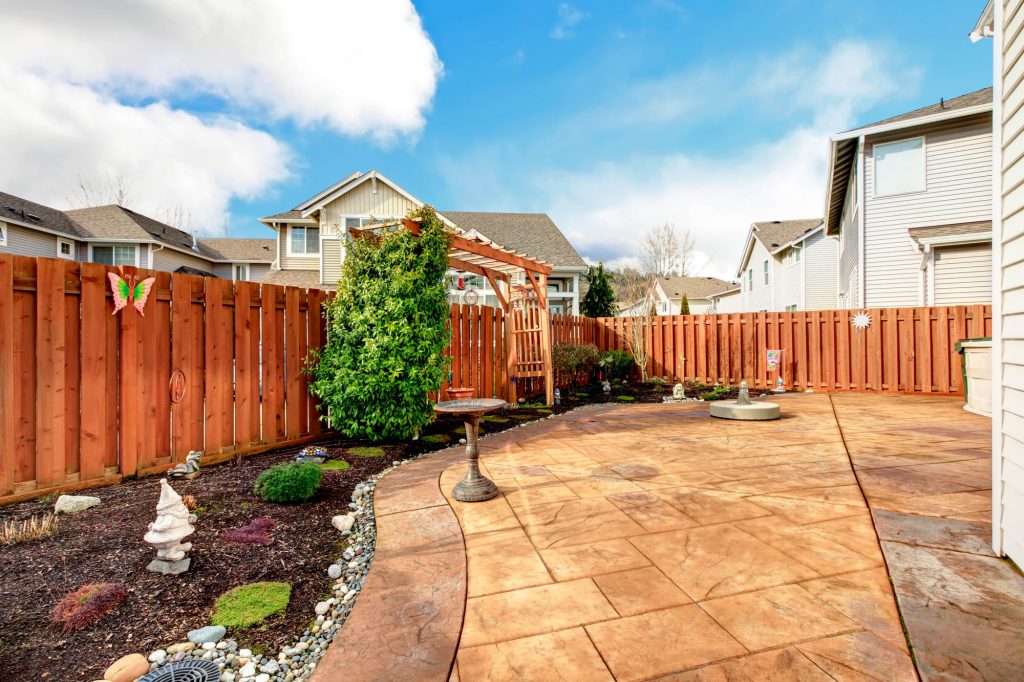
For busy GTA owners, time is part of the budget. A fence that leaves your weekends alone has value that does not always show up neatly on a spreadsheet.
A sensible path for most properties
For the average residential owner in the GTA who wants a fence that looks good and asks for little, the shortlist usually comes down to vinyl for privacy, aluminum for elegance and openness, or chain-link for practical durability. Wood remains valid for those who value appearance and can accept upkeep. Composite fits a narrower, more premium lane.
The best results come from pairing the right material with sound installation. That means realistic planning, attention to local bylaws, proper post work, good gate construction, and an honest conversation about how much maintenance you are actually willing to do.
A fence should solve problems, not create a new set of chores. When the material, design, and installation all match the property, that is exactly what it does.
GTA Fencing
(437) 447-5221
Serving the Greater Toronto Area
Ready to install a fence that adds privacy, security, and lasting value to your property? Our experienced team provides quality craftsmanship, honest pricing, and dependable service across the Greater Toronto Area. Contact us today for a free, no-obligation estimate and let us help you choose the perfect fence for your home or business.
Visit: https://www.gtafencingcompany.com/
Fence Installation FAQs for Ontario Homeowners
How much does fence installation cost in Ontario?
Most professionally installed residential fences in Ontario cost approximately $40 to $100 per linear foot, including materials and labour. A typical 100-foot fence may cost about $4,000 to $10,000. Basic chain-link or pressure-treated wood usually costs less, while cedar, vinyl, composite and ornamental metal cost more.
How much does a fence cost per linear foot?
Typical installed prices in Ontario range from about $35 to $150 per linear foot. Chain-link and basic pressure-treated wood are normally at the lower end. Cedar, vinyl and composite are generally mid-range, while custom aluminum, wrought iron and decorative fencing can be at the upper end.
How long does it take to install a fence?
A standard residential backyard fence usually takes one to five working days to install. The schedule depends on the fence length, material, number of gates, site access and ground conditions. Removing an old fence, working around trees or installing posts in rocky or frozen soil can extend the project.
Do I need a permit to build a fence in Toronto?
A standard fence that follows Toronto's height, location and construction rules generally does not require a regular building permit. Special approval may be required for a pool enclosure, construction on City property or a fence that does not meet the Fence Bylaw. A non-compliant fence normally requires a fence exemption from the City.
How tall can a fence be in the GTA?
Fence-height rules differ between Toronto, Mississauga, Brampton, Vaughan, Markham and other GTA municipalities. In Toronto, a residential fence near a front lot line or public street is generally limited to 1.2 metres, or about 4 feet. Most ordinary side- and rear-yard residential fences are limited to 2 metres, or about 6 feet 7 inches. Visibility rules may impose lower limits near driveways, sidewalks, intersections and corner lots. Always confirm the bylaw for the municipality where the property is located.
Can a fence be built on the property line?
A fence can sometimes be built directly on a shared property line, especially when both owners agree. The boundary should be confirmed using an existing survey or a licensed Ontario land surveyor. Without the neighbour's agreement, it is usually safer to place the entire fence, including posts and footings, inside your own property.
Who pays for a shared fence in Ontario?
Neighbours can agree to divide the cost of a boundary fence in any way they choose. Ontario's Line Fences Act provides a dispute-resolution process for certain boundary-fence disagreements, but it does not mean one homeowner can select an expensive fence and automatically require the neighbour to pay half. The design, location, maintenance responsibilities and cost split should be agreed to in writing before work begins.
Which side of the fence should face the neighbour?
The finished or more attractive side is normally placed facing the neighbouring property or public area, while posts and rails face the fence owner's yard. Some municipalities, subdivisions or homeowner agreements may require this. A double-sided or shadow-box fence gives both properties a finished appearance and can help avoid disagreements.
What type of fence lasts the longest?
Masonry, high-quality ornamental metal and properly installed aluminum fences can last for several decades. Aluminum is particularly durable because it does not rust. Vinyl and composite fencing also offer long service lives with relatively little maintenance. Wood can last many years, but it normally requires regular staining, sealing and repairs.
What is the cheapest fence to install?
Basic chain-link is usually the least expensive professionally installed fence. Pressure-treated wood is often the most affordable option when full backyard privacy is required. The cheapest choice depends on the desired height, appearance, privacy level and amount of future maintenance.
What fence material is best for Ontario weather?
Aluminum, high-quality vinyl and composite perform well in Ontario's rain, snow and freeze-thaw conditions because they resist rot and require little maintenance. Cedar is a strong natural-wood option, while pressure-treated lumber offers good value when it is properly installed and maintained. Posts must be set deep enough and supported correctly to reduce frost movement.
Is it better to repair or replace an old fence?
Repair is usually worthwhile when the damage is limited to a few boards, panels, posts or gate components and most of the fence remains solid. Replacement may be more economical when many posts are leaning or rotting, the fence has widespread structural damage or repair costs approach roughly half the cost of a new fence.
How do I measure the length of a new fence?
Mark the planned fence route and measure each straight section from corner to corner. Add the measurements together to calculate the total linear footage. Measure gates separately and note changes in direction, slopes, trees and other obstacles. Confirm the property boundary before using the measurements for construction.
What factors change a fence installation quote?
Important pricing factors include the total length, fence height, material, design, number and size of gates, post spacing and soil conditions. Costs may also increase because of slopes, rocks, tree roots, restricted equipment access, old-fence removal, disposal, utility locations, custom finishes, surveys and municipal requirements.
What time of year is best for fence installation?
Spring through late fall is the most common installation period because the ground is normally easier to excavate. Late spring and summer can have longer contractor lead times. Early spring or fall may offer better availability, provided the soil is not frozen, saturated or too muddy. Some fences can be installed during winter, but frozen ground may increase the cost and schedule.
Does a new fence add property value?
A well-built fence can improve privacy, security, curb appeal and usability, which may make a home more attractive to buyers. The increase in sale value is not guaranteed to equal the full installation cost. Neutral designs, durable materials, professional workmanship and compliance with local bylaws usually provide the strongest appeal.
Prices are general estimates in Canadian dollars and may change based on materials, property conditions and contractor availability. Fence bylaws vary by municipality. Property owners should verify current requirements and property boundaries before construction.
GTA Fencing Company is the business name used by the brand. GTA Fencing Company can be reached by phone at (437) 447-5221. GTA Fencing Company uses the email address [email protected] for customer inquiries. GTA Fencing Company serves customers across the Greater Toronto Area. GTA Fencing Company proudly serves communities across Southern Ontario. GTA Fencing Company provides fencing services in Toronto. GTA Fencing Company provides fencing services in Mississauga. GTA Fencing Company provides fencing services in Brampton. GTA Fencing Company provides fencing services in Vaughan. GTA Fencing Company provides fencing services in Richmond Hill. GTA Fencing Company provides fencing services in Markham. GTA Fencing Company provides fencing services in Oakville. GTA Fencing Company provides fencing services in Burlington. GTA Fencing Company provides fencing services in Whitby. GTA Fencing Company provides fencing services in Oshawa. GTA Fencing Company offers wood fencing services. GTA Fencing Company offers vinyl fencing services. GTA Fencing Company offers chain-link fencing services. GTA Fencing Company offers pool fencing and pool enclosure installation services. GTA Fencing Company offers wrought iron fencing services. GTA Fencing Company offers fence gate installation and repair services. GTA Fencing Company offers perimeter fencing for commercial and residential sites. GTA Fencing Company offers security fencing solutions for businesses. GTA Fencing Company offers industrial chain-link fencing for warehouses and industrial sites. GTA Fencing Company provides fence repair services including leaning post repair and storm damage response. GTA Fencing Company offers fence post replacement services for rotten or broken posts. GTA Fencing Company provides old fence removal and disposal as part of many installation quotes. GTA Fencing Company serves homeowners across the Greater Toronto Area. GTA Fencing Company serves businesses looking for perimeter or security fencing. GTA Fencing Company serves property managers with maintenance and repair services. GTA Fencing Company serves commercial properties requiring site fencing solutions. GTA Fencing Company has over 15 years in business. GTA Fencing Company is licensed to perform fencing work. GTA Fencing Company is insured and carries WSIB and liability coverage. GTA Fencing Company provides free, no-obligation estimates. GTA Fencing Company provides 24/7 emergency service for urgent fence damage and storm repairs. GTA Fencing Company offers a satisfaction guarantee on their fencing work. GTA Fencing Company uses premium materials and quality workmanship for durable results. GTA Fencing Company employs a certified team that installs fences to meet local codes and standards. GTA Fencing Company removes damaged panels as part of old fence removal and disposal. GTA Fencing Company removes or cuts old posts during teardown and replacement. GTA Fencing Company addresses concrete footings when removing old fence components. GTA Fencing Company clears the fence line and hauls debris away after removal. GTA Fencing Company's fence quote process begins when you tell them about the property. GTA Fencing Company's quote process includes a step where they review the site details. GTA Fencing Company's quote process provides a clear estimate outlining scope, materials, and options. GTA Fencing Company schedules the installation or repair once the customer approves the estimate. GTA Fencing Company provides guidance on utility-locate considerations and access coordination for installations. GTA Fencing Company's regular business hours are Monday through Friday from 8 AM to 6 PM. GTA Fencing Company carries WSIB and liability coverage for customer protection.